
Detecting pain in horses can be challenging. Prey animals are programmed to hide vulnerability 🐴
Up Next
8 videos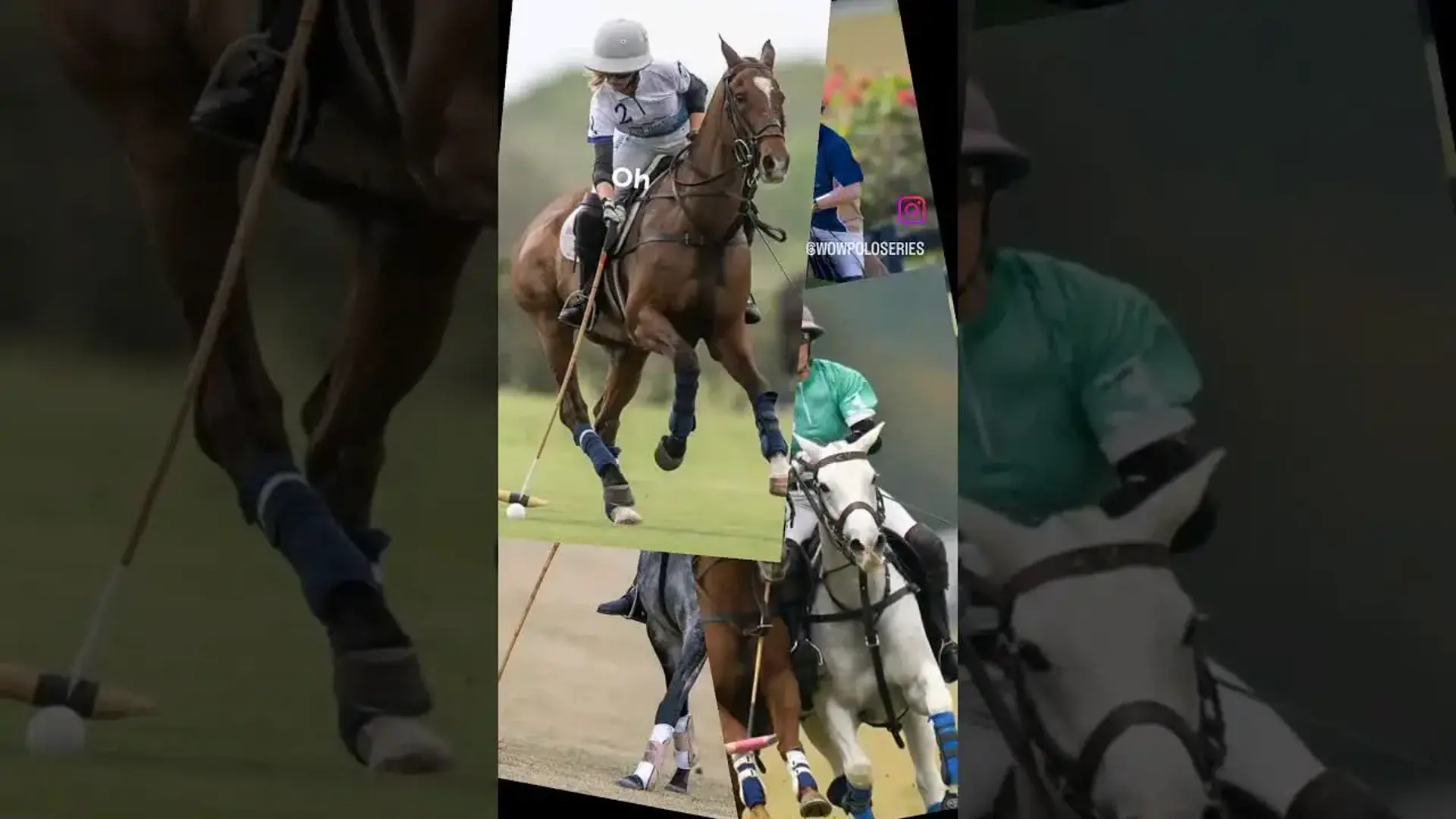
Mint Eco/Long Dog Polo 👈🔥💪☄️
December 28th, 2023
Grazie amore mio per tutto questo 🖤🐎
December 19th, 2024
Tinker Bell 🧚
January 1st, 2025
As human beings we are beyond powerful...
January 19th, 2025
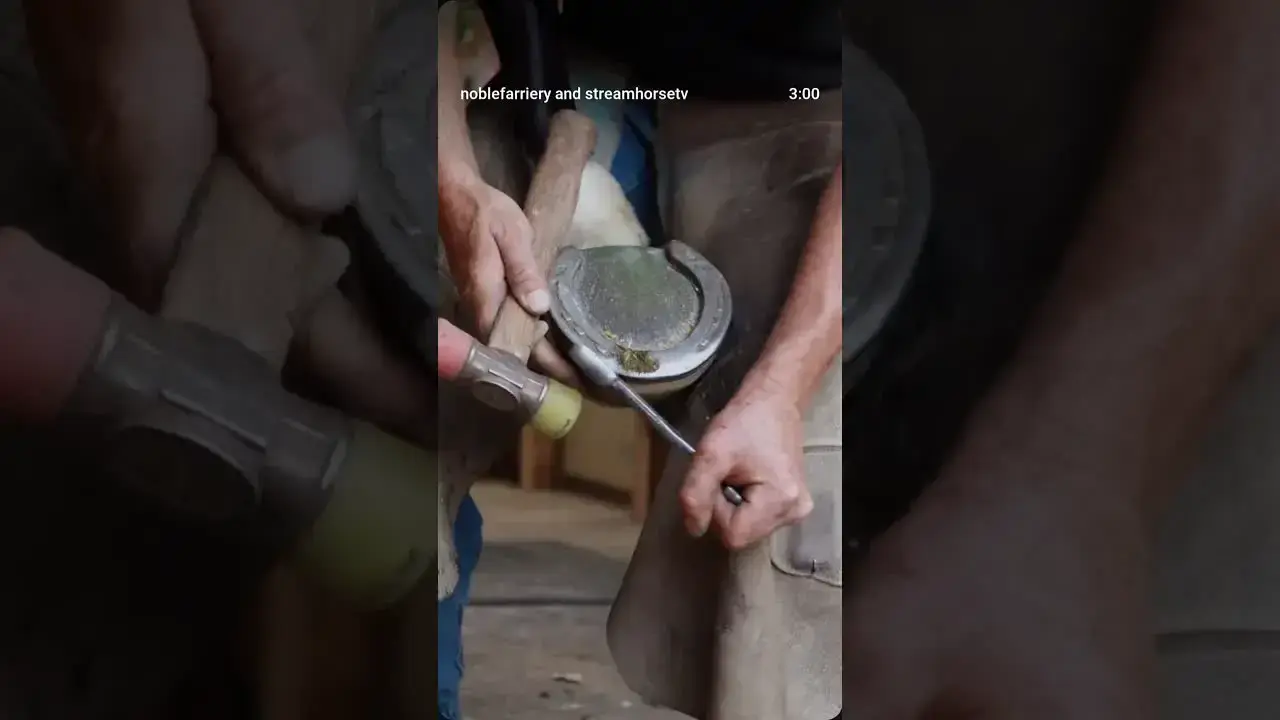
A little shoe removal and trimming ASMR to cleanse your timeline.
September 25th, 2025

Our daily POV 🐎 make it yours!
March 4th, 2026

Probably our favorite line from #WEF2026 🐎 😎 Getting hyped to close out the winter season right!
March 16th, 2026
Repetition: the mother of learning, the father of action, the architect of accomplishment. 💙🐎
June 5th, 2026
Detecting pain in horses can be challenging, horses are prey animals and are instinctively programmed to hide their vulnerability. How a horse may demonstrate pain will vary depending on the horse. Just how each horse has their own personality they all have different pain tolerances and responses to pain. Signs of pain in horses can be subtle and non-specific, but some signs to look out for include: Changes in facial expression: fixed stare with wide nostrils and clenched facial muscles, or dilated pupils Postural changes: altered stance, arched back weight shifting, non-weight bearing, stretching, and/or pawing Changes in movement: reluctance to move forward, shortened stride, toe dragging, tripping, lethargy Changes in appetite: loss of interest in food, playing with water, slow chewing, or dropping feed Behavioral changes: restlessness, agitation, headshaking, dullness or depression, signs of aggression, decreased interaction with surroundings Teeth grinding Flank watching Lying down more than normal Lameness Elevated heart rate Elevated respiratory rate Unexpected sweating Because pain can be hard to diagnose, it is often mistaken for behavioral issues. If your horse is demonstrating abnormal behavior, consider having them evaluated to rule out pain or discomfort as a source of abnormal behavior.