
Do you know what your horse’s facet joints are or how they could be contributing to back pain?
Up Next
8 videos
Watching him fall in love with the place that stole my heart is my new favorite feeling! ♥️✨️🐴
August 21st, 2024
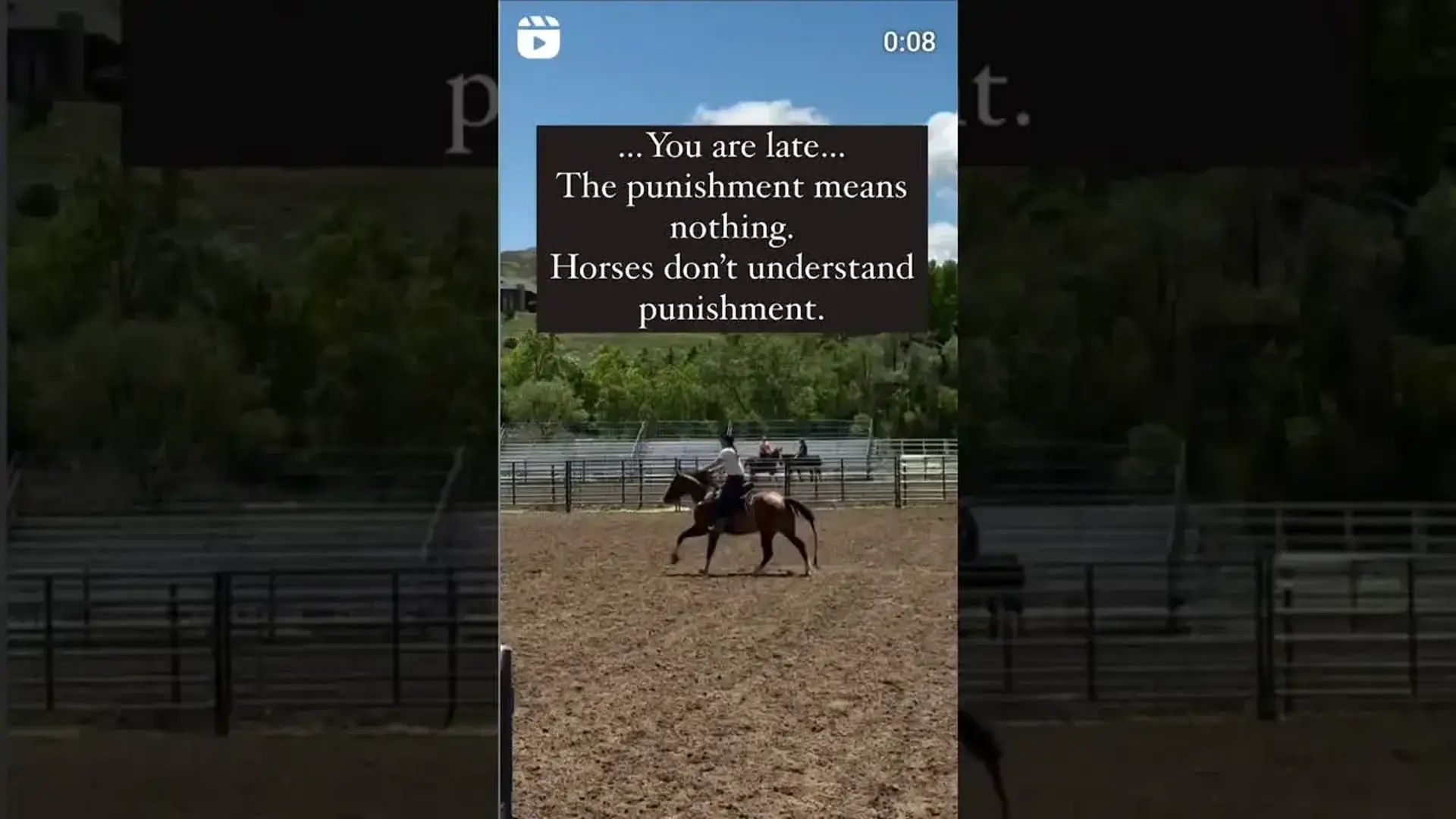
Horses don’t understand punishment. If you have to “punish” your horse YOU WERE LATE!
January 5th, 2025
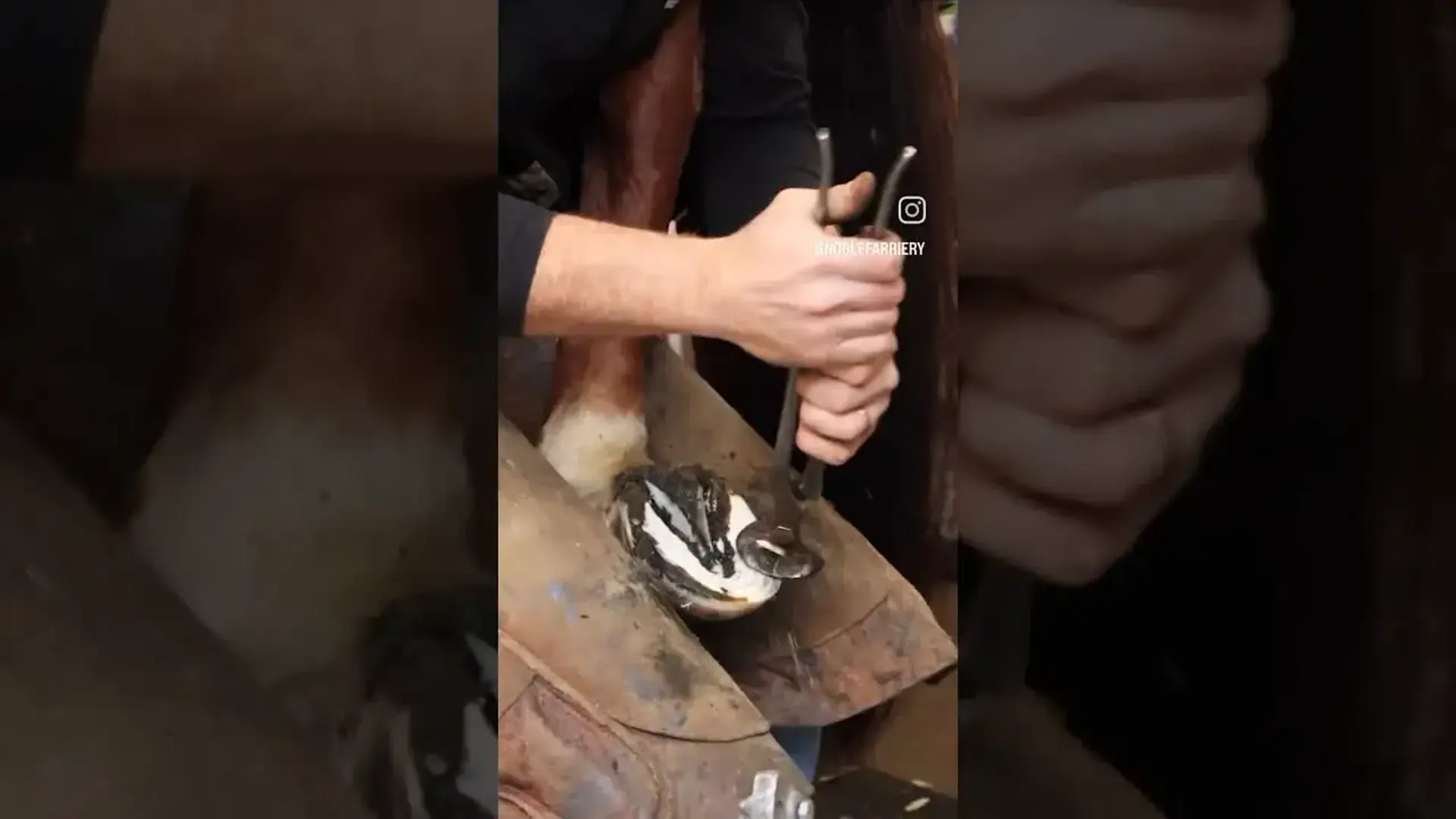
A sneak peak from Noble Farrier latest YouTube video with Brandon King DVM!
February 13th, 2025
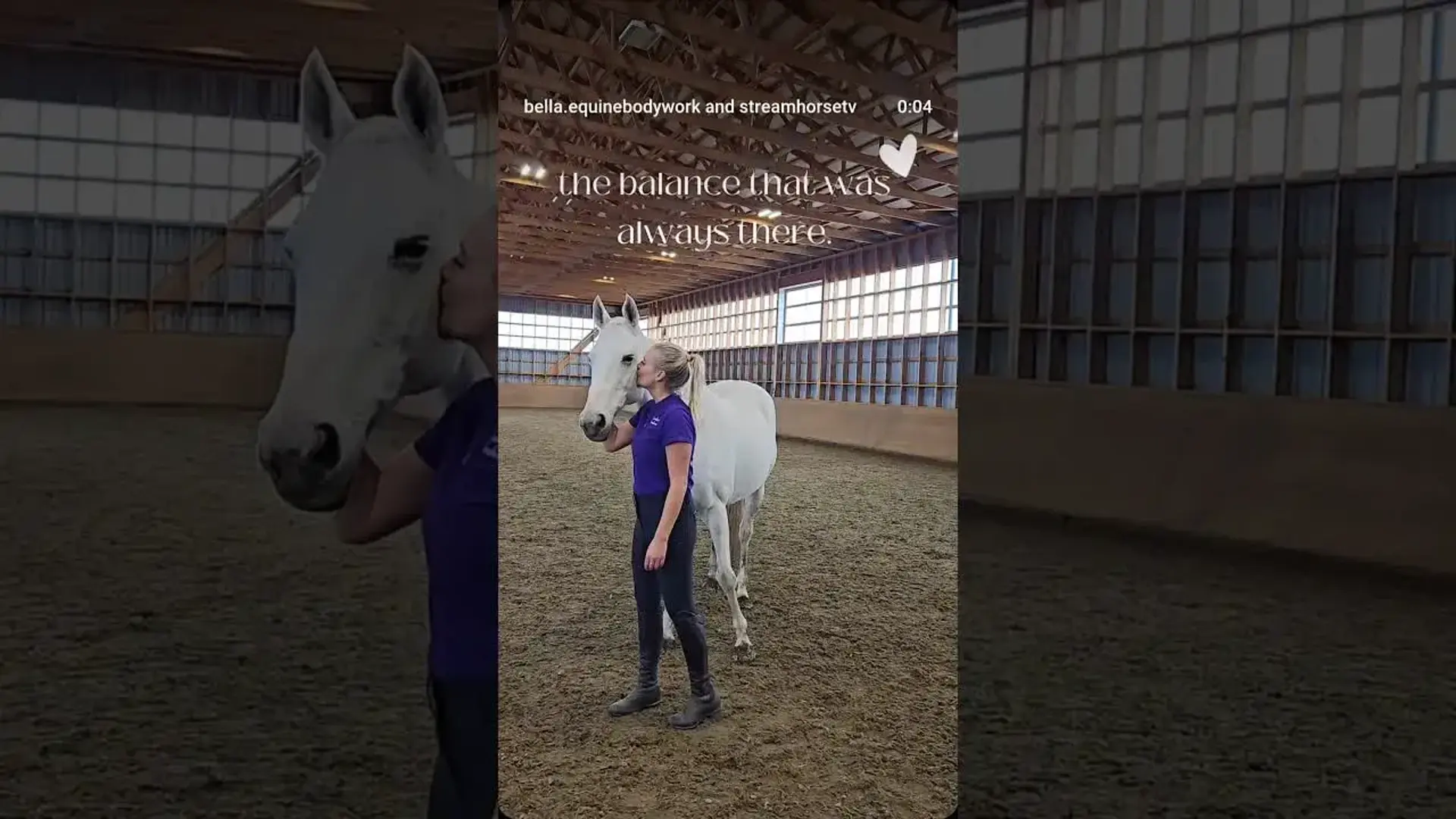
At Bella Equine Bodywork, I don’t force change… I hold space for healing to emerge 🪽
May 27th, 2025
TGIF 🥳 Are you spending time with your ponies this weekend?
June 21st, 2025

the daily job of a stallion in Mongolia 🇲🇳 🐴
August 25th, 2025
@summerkneece on MAGA grabbing the ball and scoring for the Sayra Polo Team.
January 15th, 2026
When Ayour decides to run 🚀
January 22nd, 2026
Do you know what your horse’s facet joints are or how they could be contributing to back pain? The facet joints, also known as the articular process joints, are diarthrodial joints located on the dorsal aspect of the spine. They are positioned at the cranial and caudal margin of each vertebral arch throughout the length of the horse's spine, excluding the C1-C2 articulation. These joints work in conjunction with the intervertebral discs to facilitate normal spinal motion and bear spinal loads. Despite the high prevalence of pathology found in the facet joints, these joints are understudied, and few treatment options are available. Damage or dysfunction of the facet joints can lead to decreased range of motion, reluctance to bend, resistance, poor performance, behavior problems, difficulty with hind end engagement, discomfort to grooming or pressure over the back, lameness, and ataxia. Non-specific neck and back pain is a common finding in performance horses and is known to have a negative impact on performance. Unfortunately, the cause of non-specific neck and low back pain can be difficult to diagnose. In the equine population, the facet joints are not as well studied as other pain generating tissues in the back and are often overlooked as a cause of dysfunction. Facet joint pain often presents as unilateral back pain that can refer to other areas of the body. Often, the joint capsule of the facet joint is the pain-generating tissue, not the articular cartilage or synovium. The mobilization being performed in this video focuses on restoring the normal function of the facet joint capsule to increase the range of motion, decrease inflammation, decrease pain, and restore proper joint biomechanics, in turn, increasing performance outcomes. If your horse is displaying signs of unspecified back pain, don't overlook the facet joints! 🥰🎥 @peakperformanceintl #horses #chiropractic #performance #equestrian #sports