
has your horse experienced a knee injury?
Up Next
8 videos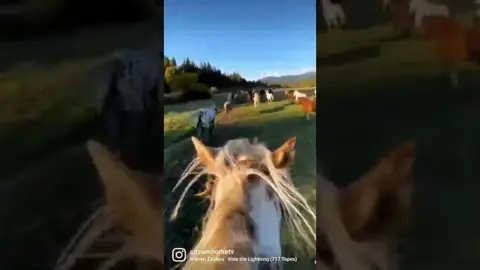
GO RANCHING TODAY WITH LIBBY & HER HERD 🐎🐎🐎🐎 #streamhorsetv #horses #ranching #herd #animals #shorts
January 29th, 2022
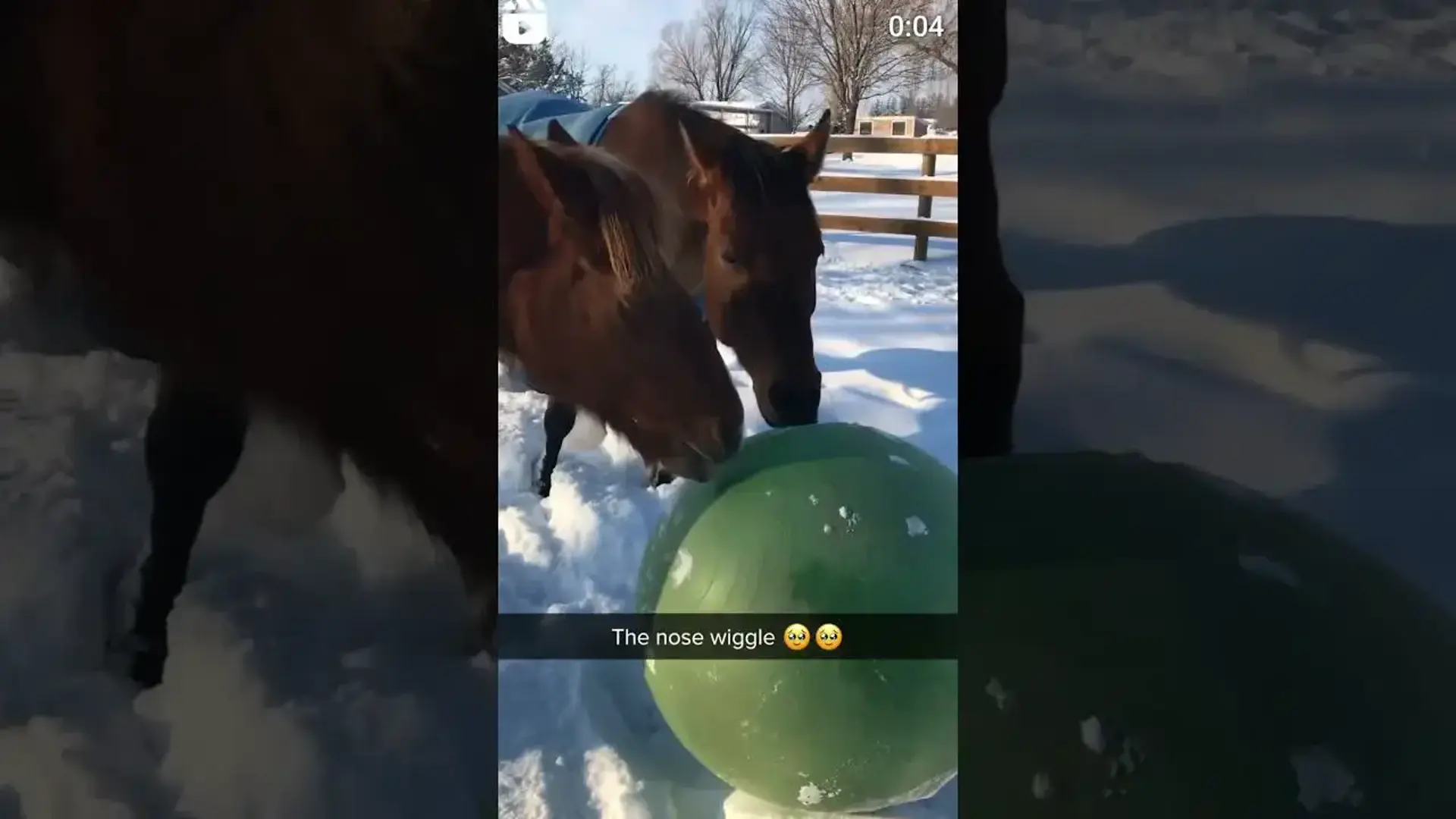
last two brain cells trying to solve a problem 🐴🐴🤣
August 18th, 2024
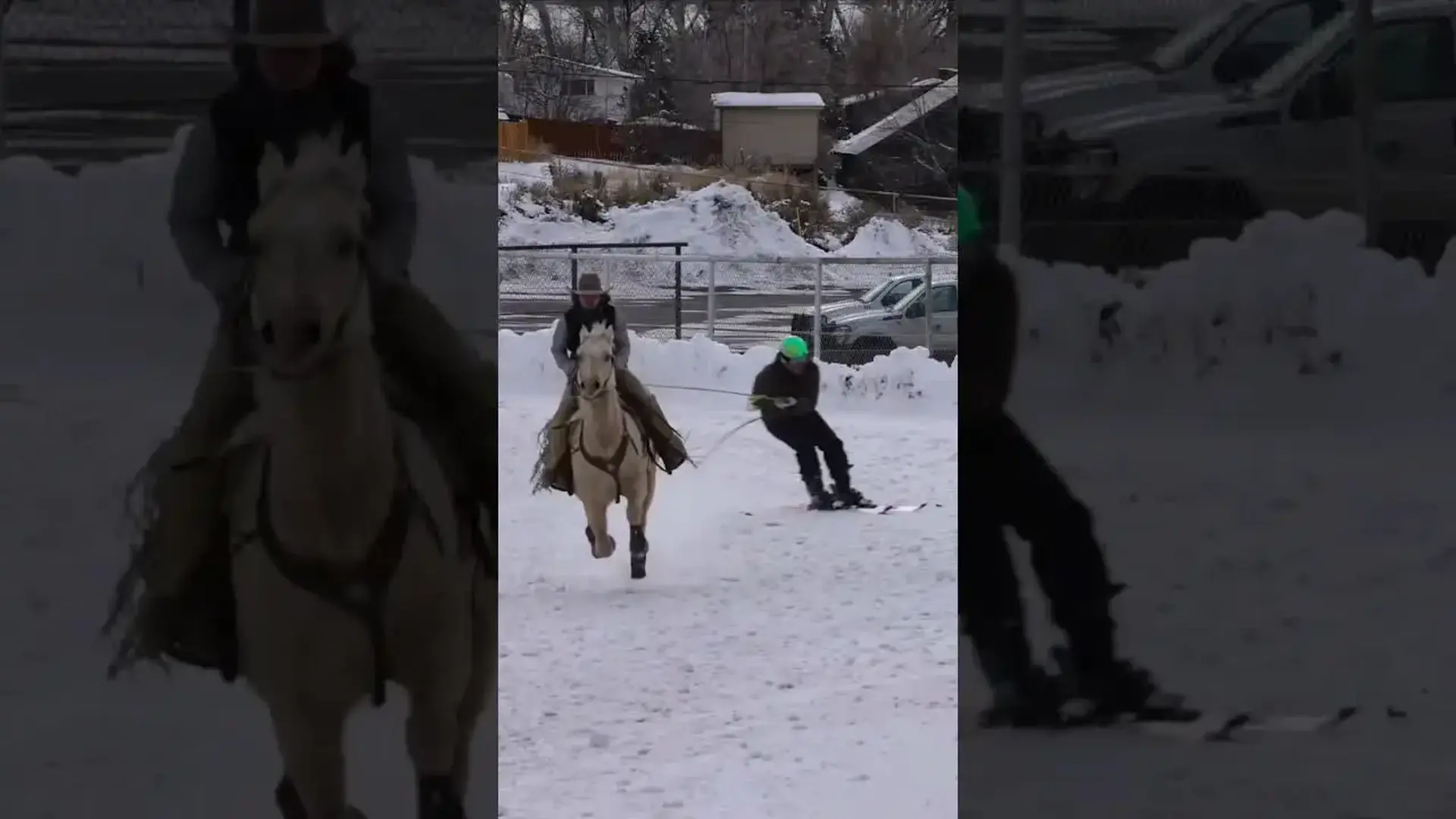
Kicking off Skijoring season right 🐎———⛷️
January 27th, 2024
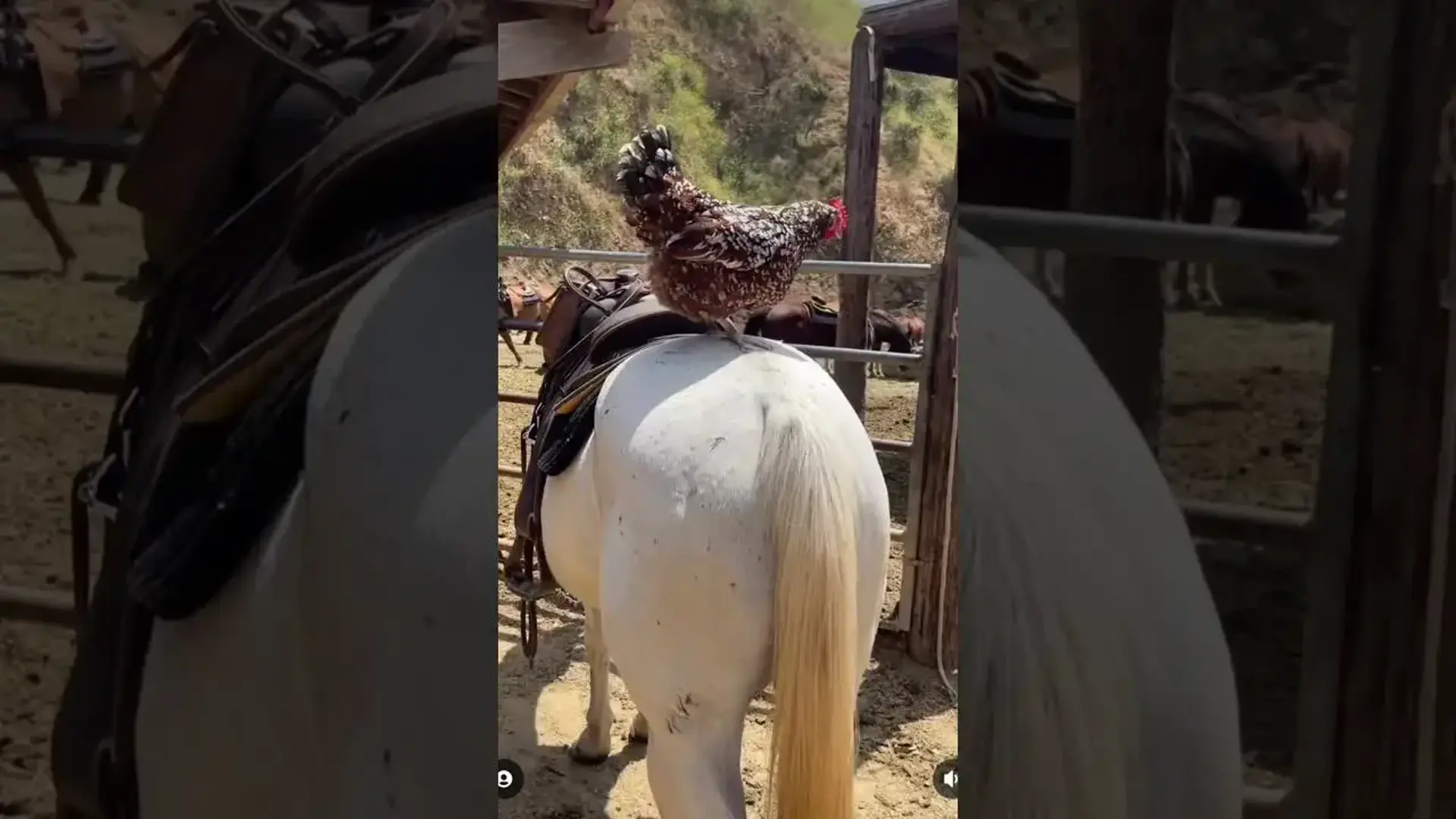
Just a chicken on a horse in Hollywood 🌟🐔🐴
May 7th, 2023
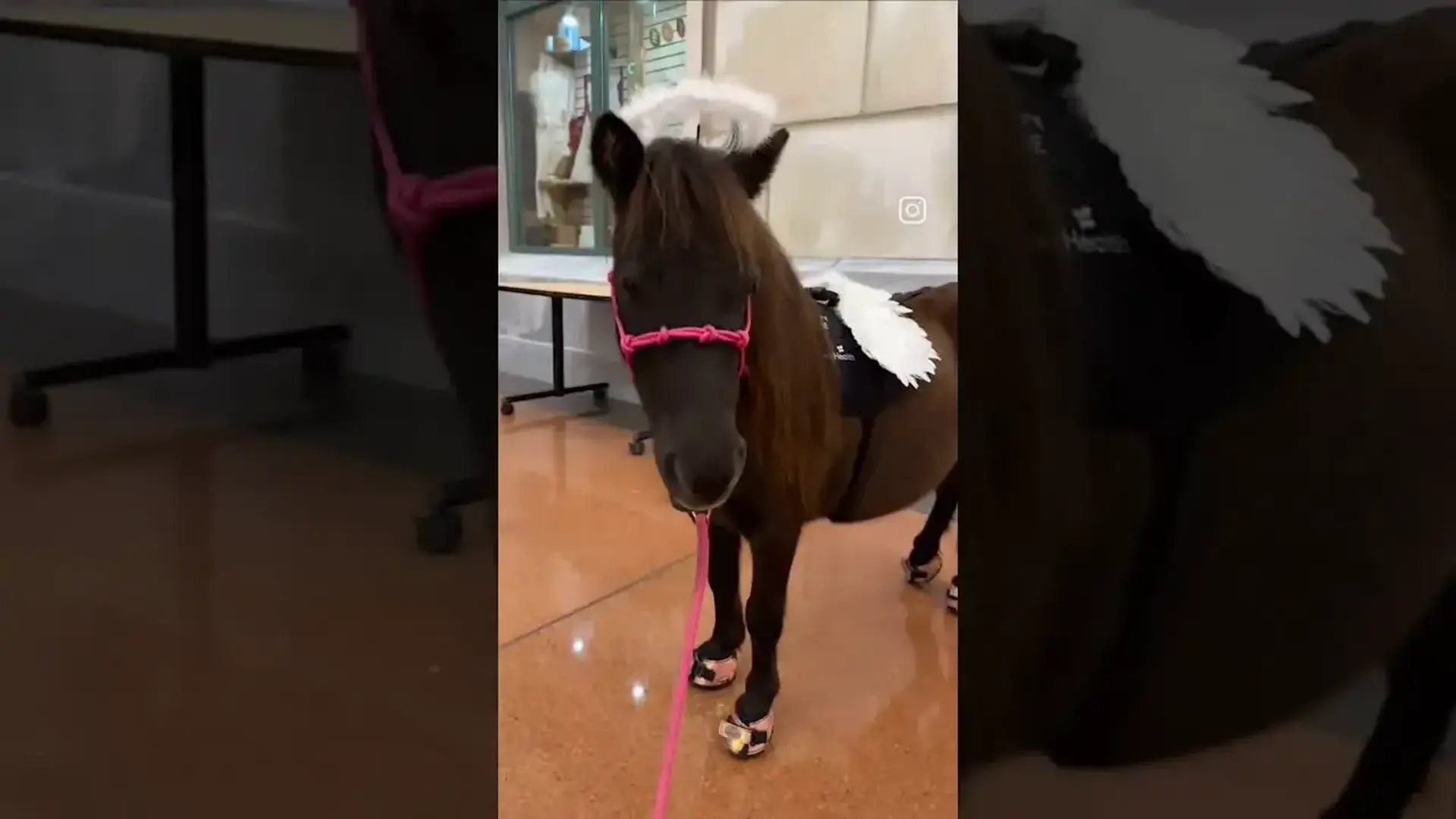
✨ Our little angel Ninja brought some heavenly joy to AdventHealth. 😇
November 3rd, 2024
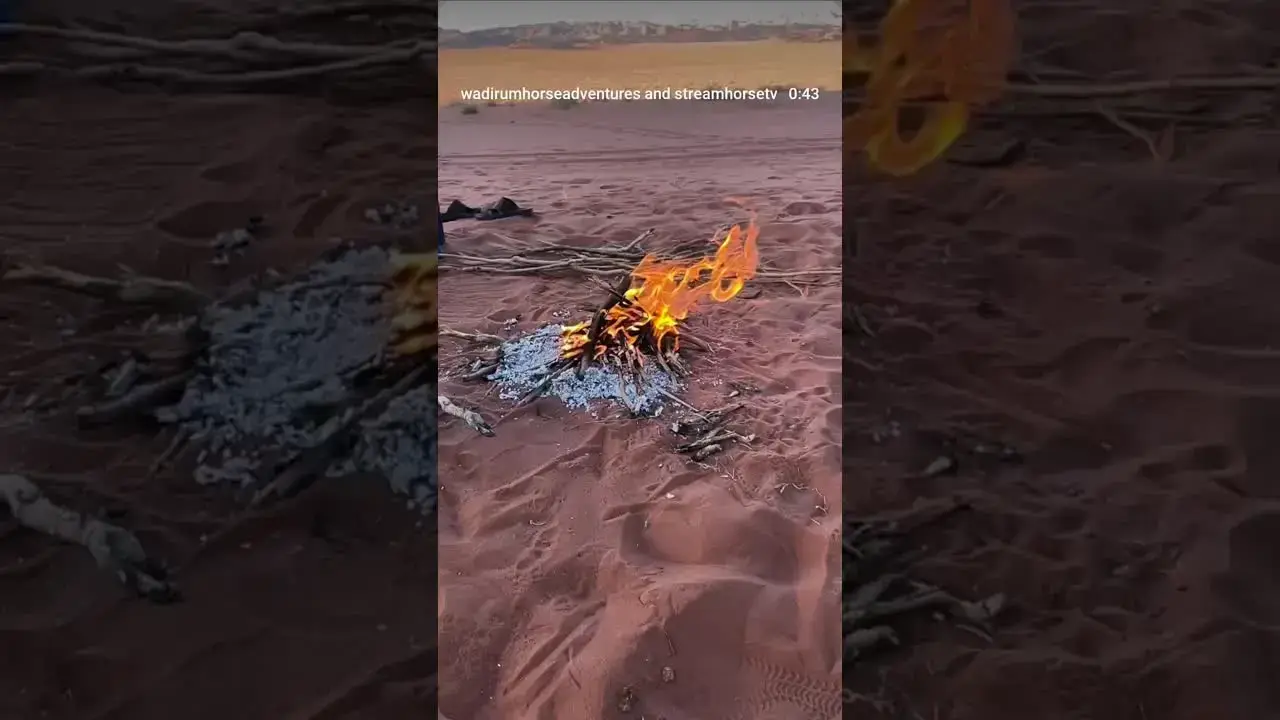
Day 3. The horses know the rhythm, the riders find their pace, and the desert keeps on giving.
November 12th, 2025
CSIO 📍Piazza di Siena
May 30th, 2026
🌅🐎 A sunset over the sea, on horseback, amidst emotions, stories, and music.
August 18th, 2026
Often referred to as the horse’s “knee” this joint can be compared to a human’s wrist. This joint is composed of three main articulations. The antebrachiocarpal joint, the middle carpal joint, and the carpometacarpal joint. This is a ginglymus or hinge type of joint. A hinge joint is a synovial joint that mainly moves in one direction. Think of the human knee, elbow, or interphalangeal joint of the hand and foot. The primary motion of the carpals is flexion and extension. The secondary motion is abduction, adduction, and rotation. Has your horse experienced a knee injury? Horses with a knee injury may display a shortened 'shuffling' gait. They may abduct the affected limb abnormally, have a decreased hoof height during limb flight, and have joint effusion (swelling) present. Chiropratic care can benefit horses with knee dysfunction. By putting a high velocity, low amplitude thrust into the carpal joints, we can stimulate the firing of muscle spindles and joint mechanoreceptors in the area. This sends afferent sensory information to the brain and causes the release of endogenous opioids. The release of endogenous opioids in the brain decreases nociception (pain). Through the activation of muscle spindles and joint mechanoreceptors, we can increase proprioception to the carpals, resulting in an increased range of motion and restoration of proper joint biomechanics. If your horse is showing signs of knee dysfunction, consider having a chiropractic evaluation performed! 🥰🎥 @peakperformanceintl