Most of us notice the spook. But don’t forget to watch what happens after...
Up Next
8 videos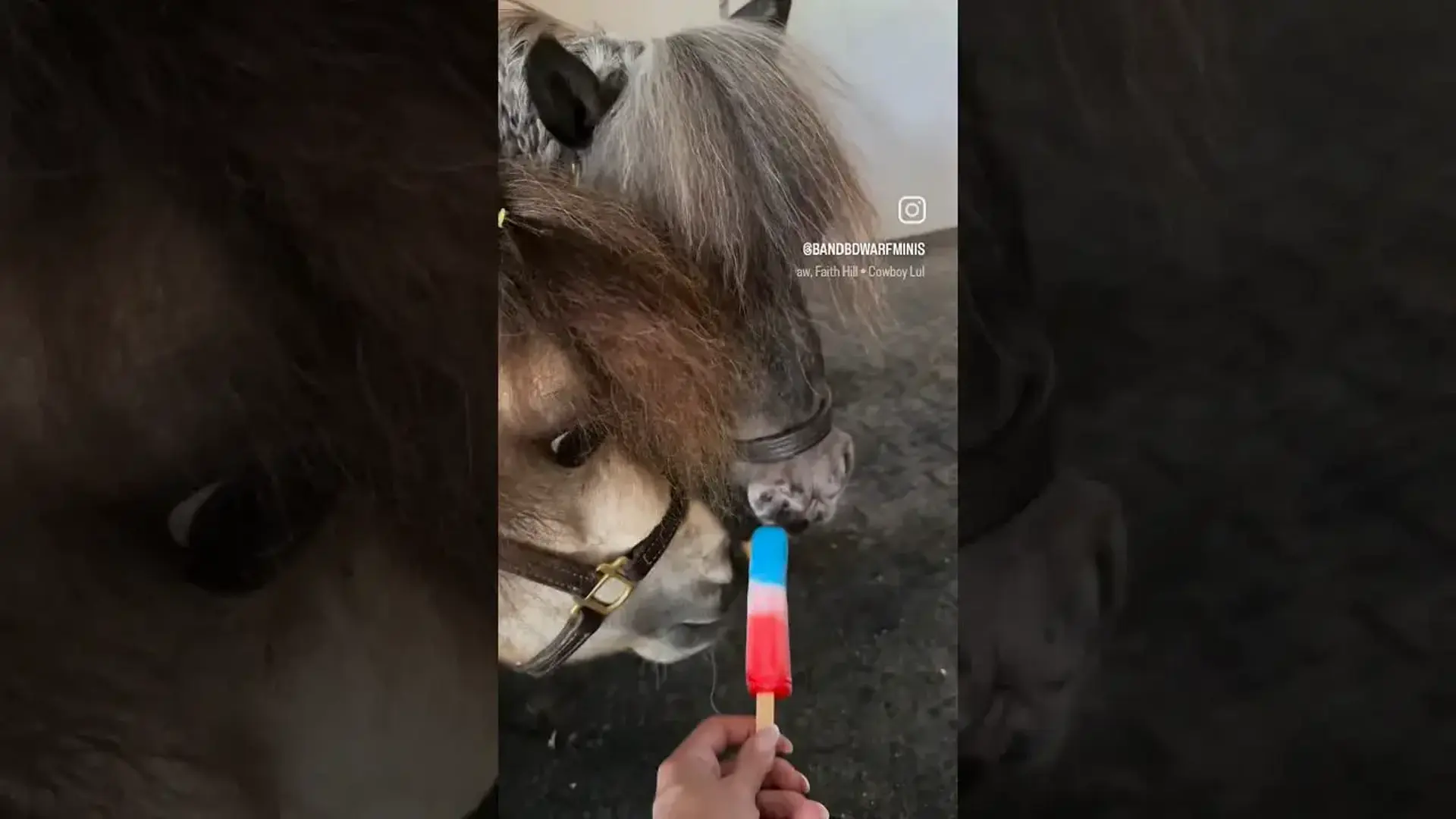
We are too hot to handle, but still cool for the ‘gram 😎🔥🌡️❤️🔥
June 22nd, 2024
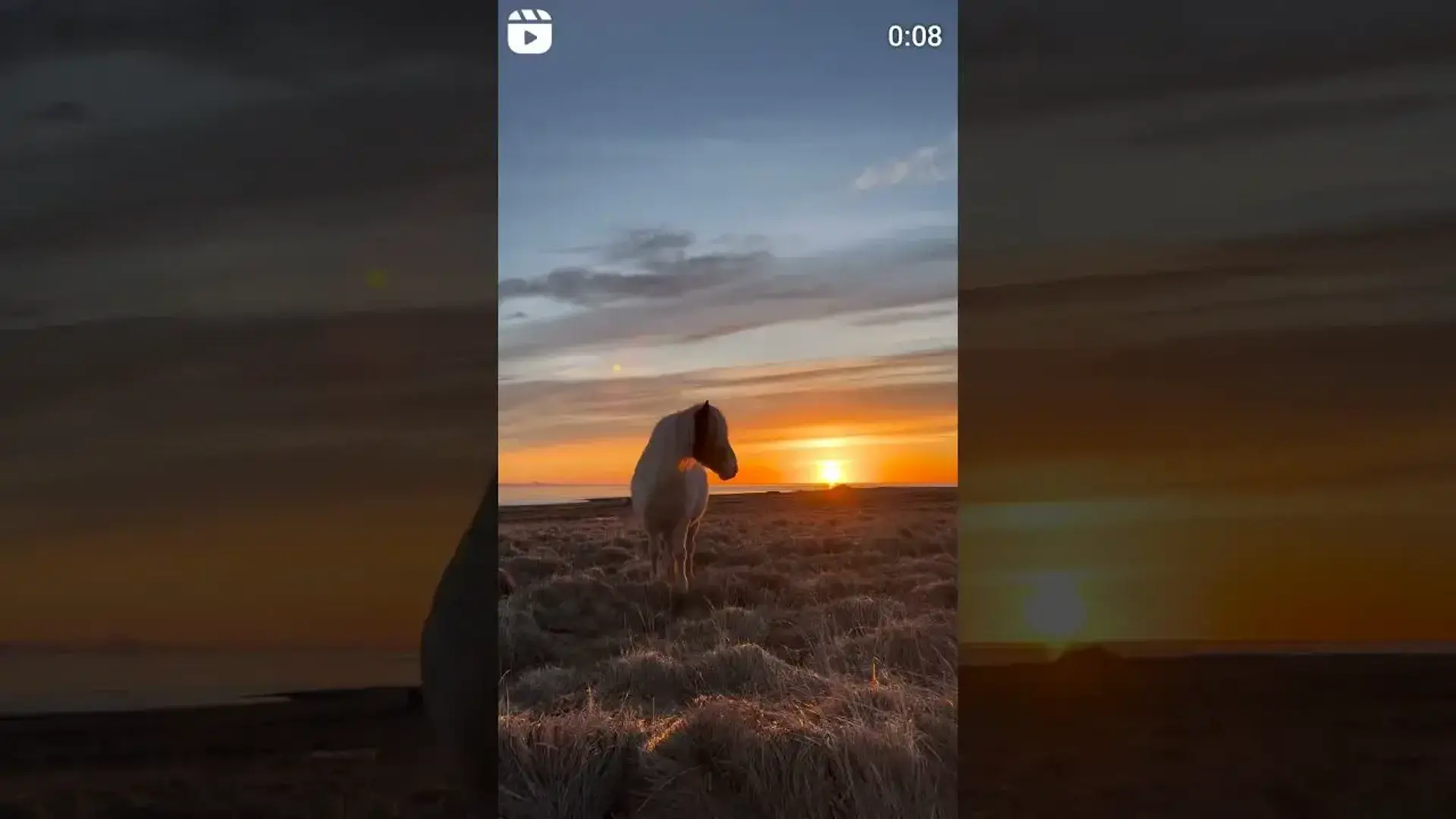
Icelandic midsummer nights 🫶☀️🐦⬛
June 6th, 2024
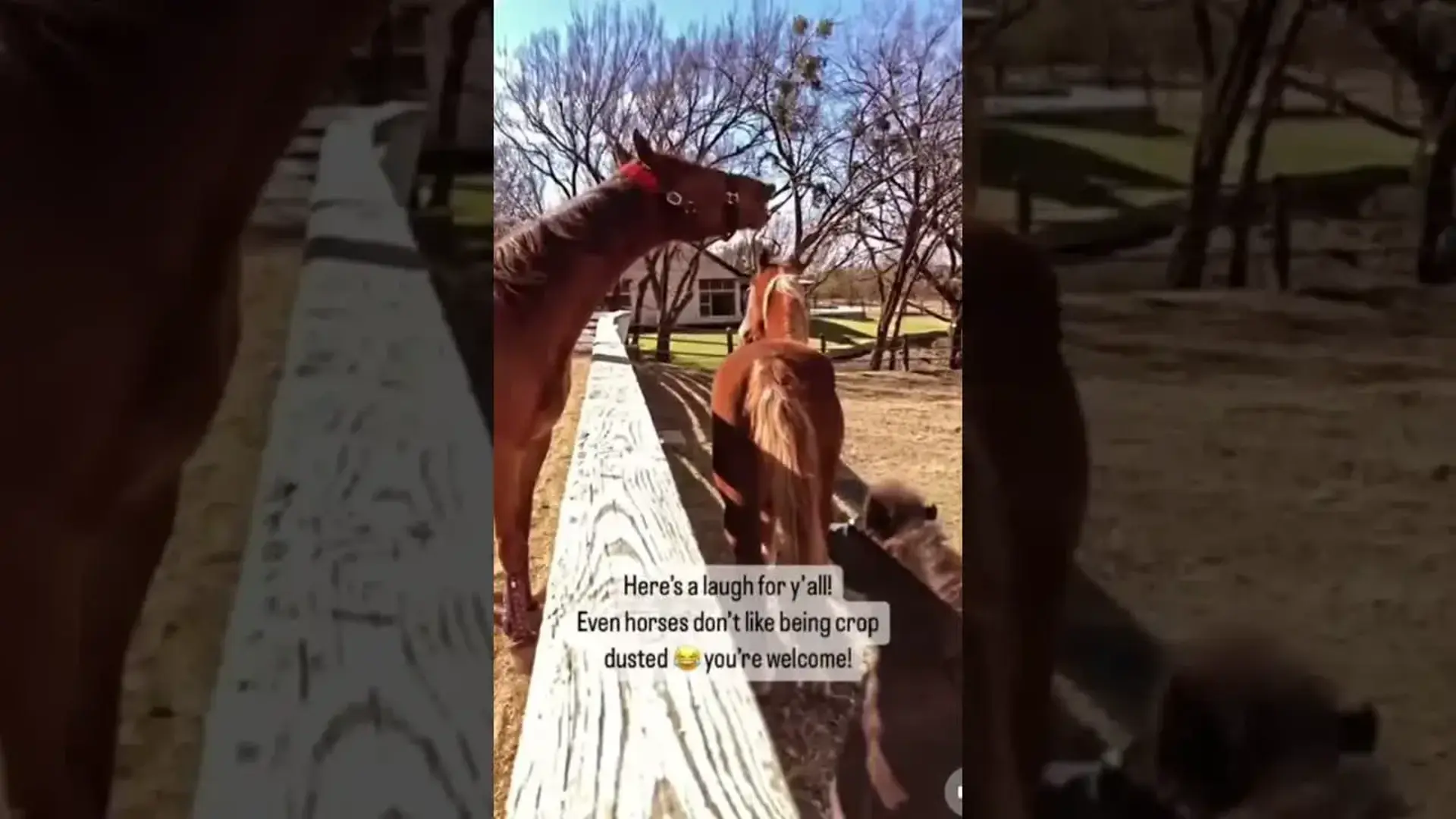
here's a laugh for y'all‼️ 🐎💨🤣
January 29th, 2024
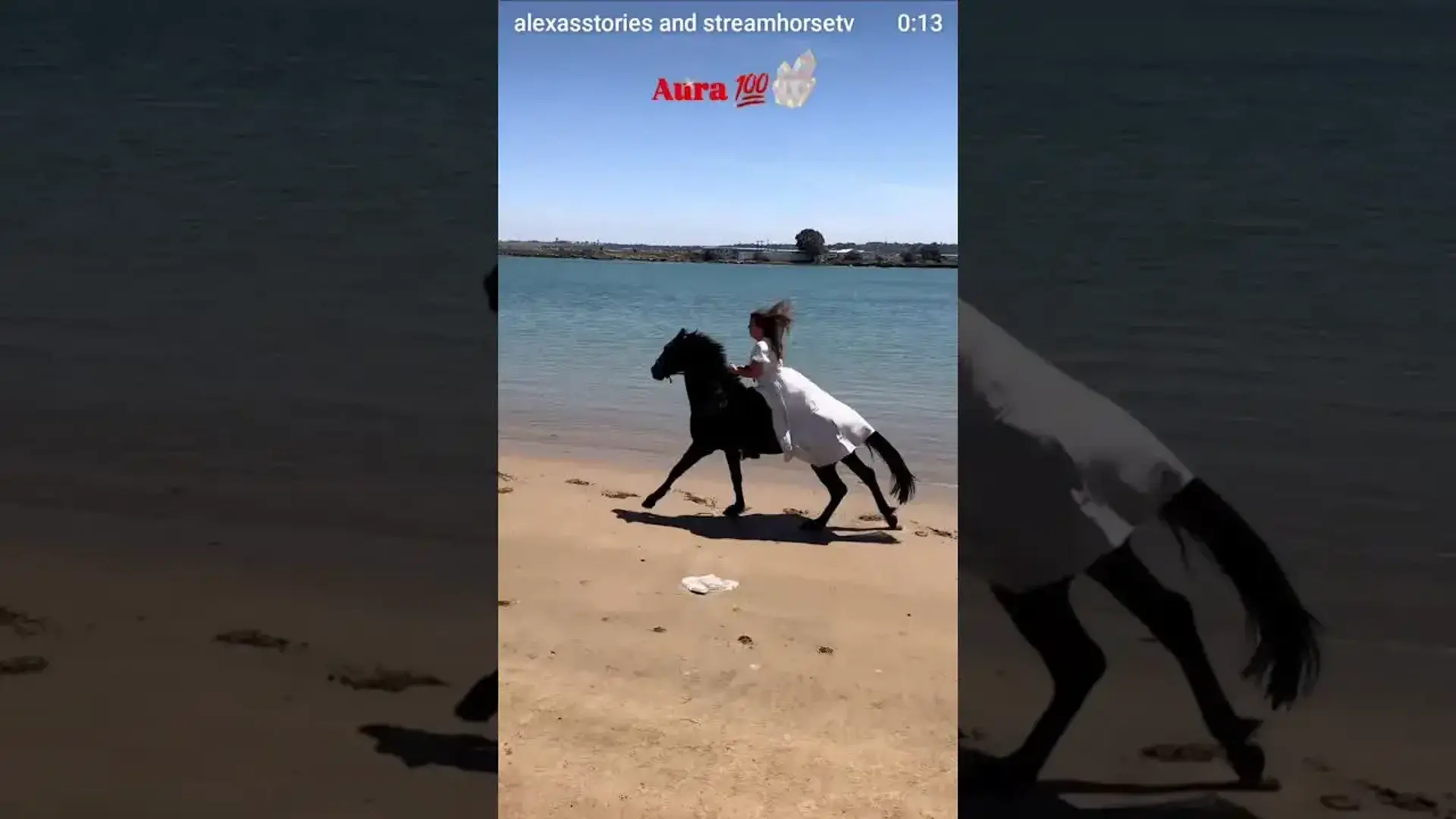
Why does something so wild bring so much peace? 🔥🥷🏽 Noir 🐎
May 16th, 2025
feel the freedom & horsepower
July 2nd, 2025
Get ready with me, Gladiator Equine Dressage Edition! 🐴
March 13th, 2026
💥 Goal 👉 Zapican BMW 💥OUTBACK CUP 2026
March 30th, 2026
A low offer doesn’t automatically mean your real estate agent isn’t working hard for you.‼️
May 17th, 2026
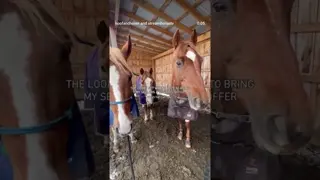
Most of us notice the spook…. But don’t forget to watch what happens after. A horse startles. His head comes up. His ears orient. His whole body becomes organized around one question: Is there more I need to know? Then he looks. He listens. He takes in the world again. And when nothing else in the environment asks him to stay on alert, he may lower his head and return to grazing. Not because nothing happened. Because something changed. His body received enough new information to recognize that the moment had passed. This is what I keep thinking about in the paddock: the conditions that allow a nervous system to shift, rather than the instruction to calm down. We are often taught to manage a reaction as if the reaction itself is the problem. But a nervous system that mobilizes is doing something intelligent. It is responding. It is trying to protect. The more useful question may be: What does this body need in order to recognize that it does not have to stay here? Sometimes that is time. Sometimes it is space. Sometimes it is clearer information, a softer environment, or the presence of someone whose own nervous system is not asking for more. Horses do not make the spook their whole day. They remind me that the return is possible. The return matters. ❤️ Save this for a day when your body is still catching up to something that has already passed. Peace & Love Melissa 🥰🎥 @melissajeanpt #nervoussystem #traumainformed #equinebehavior #interoception #coregulation