
Equine movement may be one part of a therapeutic relationship...
Up Next
8 videos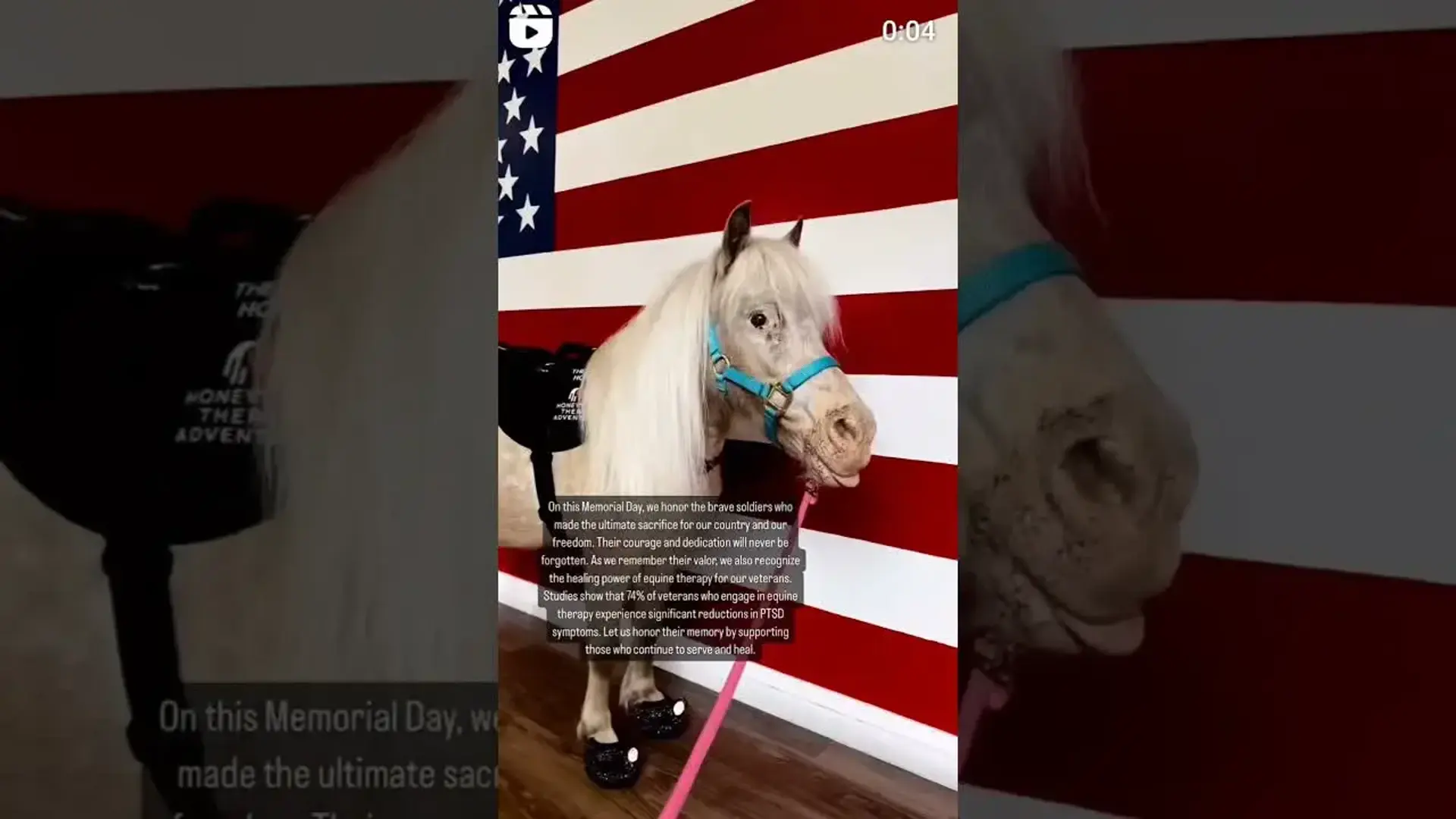
On this Memorial Day, we honor the brave soldiers who made the ultimate sacrifice for our country.
May 28th, 2024
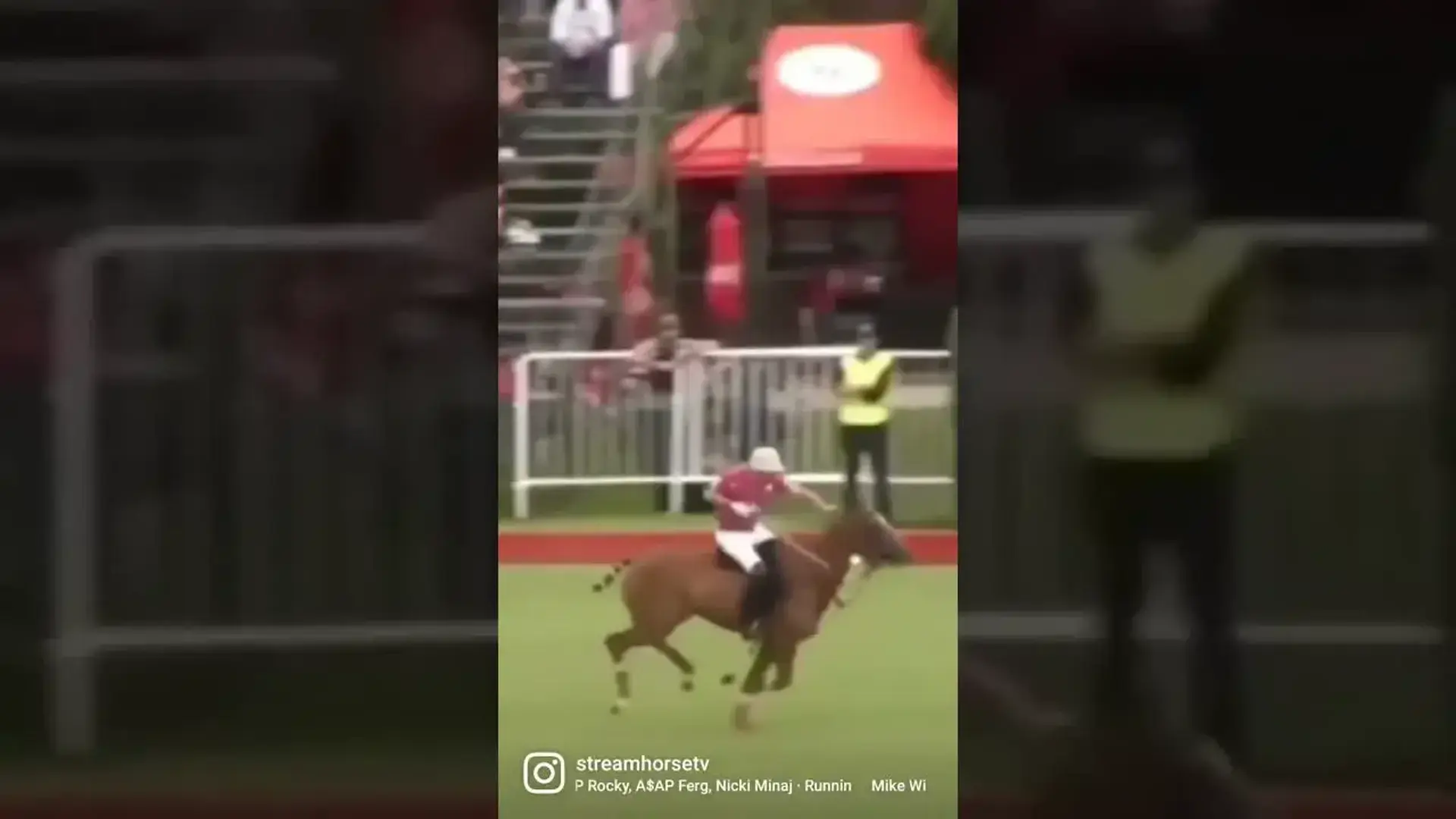
POLO IS SO FAST 🔥 LOOK @ HIS HANDLES 🤩 #streamhorsetv #polo #horses #skills #fast #sports #shorts
December 20th, 2021
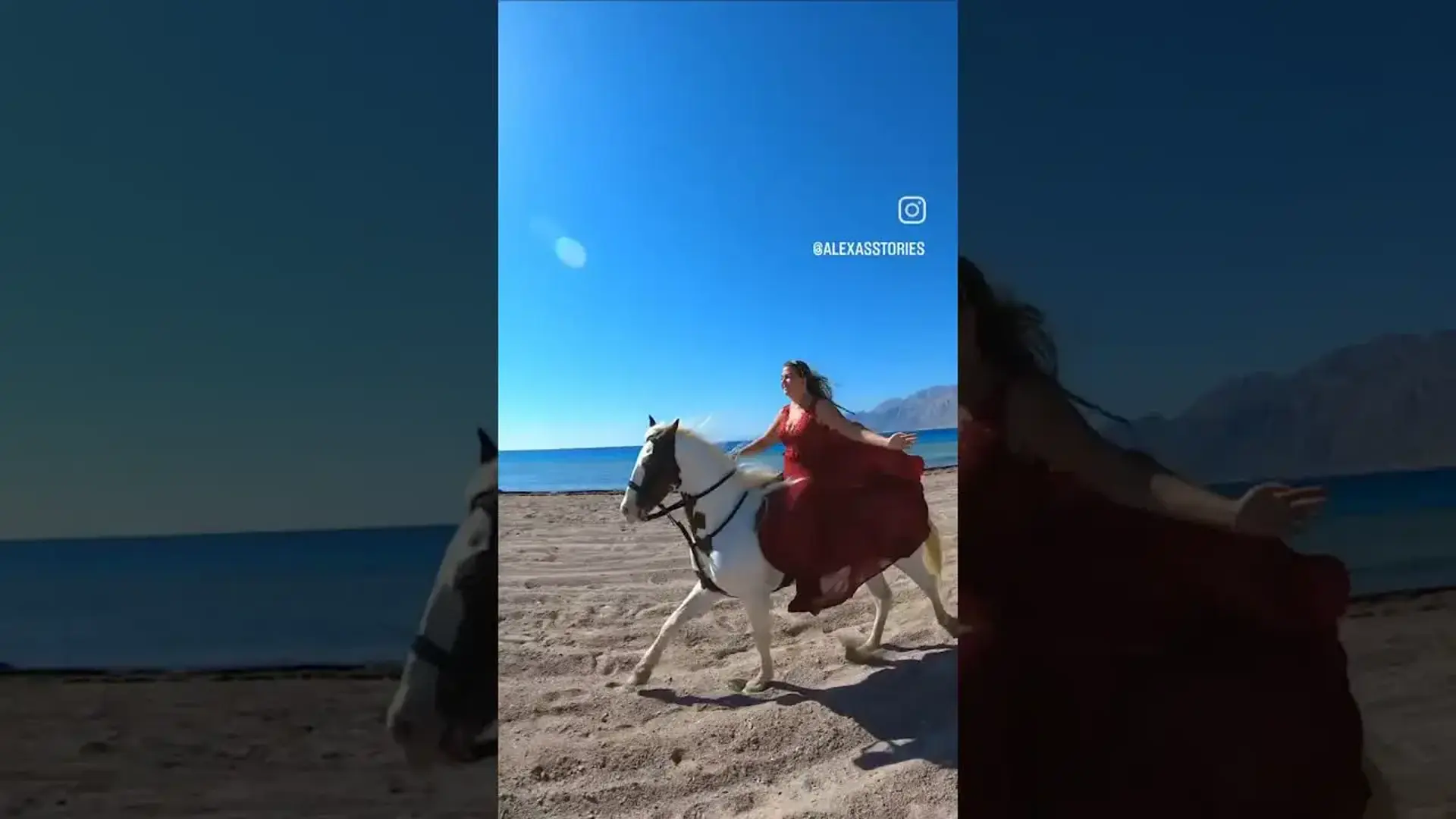
Soul horse 💙 Prince 👑
October 9th, 2024
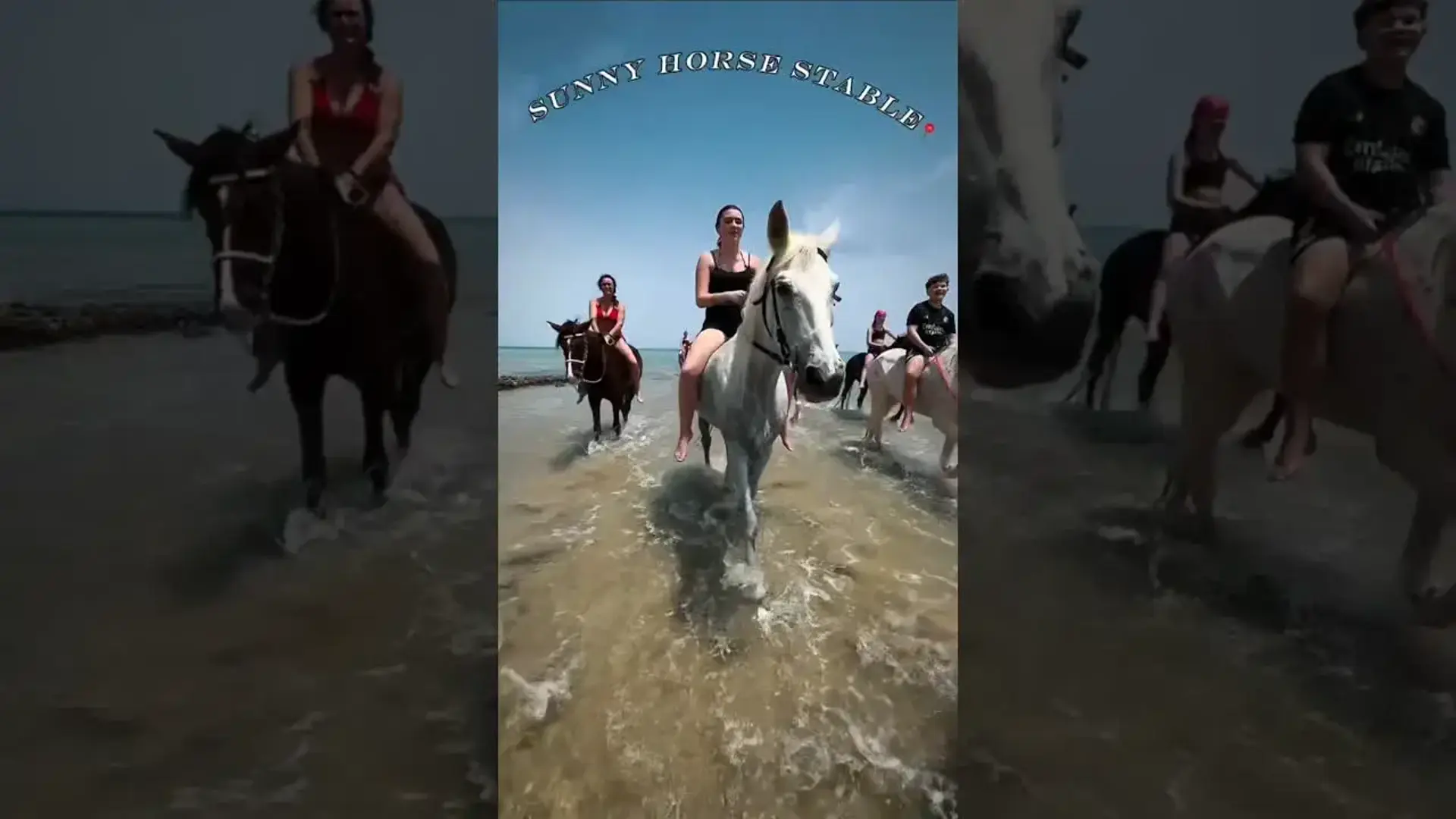
Sunny Horse Stable 📍You’ve never seen anything like this before. 🔥😉
April 23rd, 2025
A taste of Annina’s 6-day desert adventure; sunsets, canters, canyons, Bedouin wells and camp ✨🐪🐎
December 11th, 2025
Why is Florida like this 😂🥲 Misty morning at The Ridge this weekend as temps go from 90 to 40 🥵🥶🌡️🐎
February 25th, 2026
👆🚀✈️🕷️💪 @negrocriadoo 👉 @joaopedro.saranha #goal 💥 KAIA
February 28th, 2026
Warming up Valdes 🐎
March 22nd, 2026
Equine movement may be one part of a therapeutic relationship. It should not become the measure of the horse’s worth or the condition for the horse’s continued inclusion. What happens when we describe equine movement as a treatment tool❓ The distinction between the horse and the horse’s movement matters. But it can also reduce the horse to one physical capacity—the rhythm, balance, stride, or ability to carry a rider. When that capacity changes, what happens to the horse’s perceived worth❓ The movement may have therapeutic relevance. But it does not come from an object. It comes from a living, responsive being who is sensing, adapting, communicating, and participating in the relationship. A horse who can no longer be ridden has not lost the ability to participate. The horse can still communicate. Still influence the environment. Still offer relationship. Still teach us about safety, connection, and presence. The language we use shapes what we are able to see—and what possibilities we can imagine for horses beyond riding. If you would like to see the research article referenced here, check out @stablefriendshipsfoundation, where it is broken down and links to the article. The paddock as laboratory Peace & Love Melissa, Smokey & Linus 🥰🎥 @melissajeanpt #equineassistedtherapy #equineassistedlearning #equineassistedpsychotherapy #horses #hippotherapy